Top 5 Signs Your AC Needs Repair
Is your AC blowing warm air, making strange noises, or struggling to keep your home cool? These could be early warning signs that your air conditioner needs repair. Catching problems like weak airflow, leaks, or short cycling early can save you from costly breakdowns and high energy bills. Knowing the top signs your AC needs repair will help you stay comfortable, extend your system’s lifespan, and avoid sweating through a summer heatwave.
Does your home feel warmer than it should, even with the AC running? That’s a frustrating feeling, right? Well, your air conditioner often tries to give you early warning signs your AC needs repair before it completely breaks down. It might be making weird noises, blowing warm air, or just not cooling as well as it used to.
Catching these problems early not only prevents a full breakdown but also helps you avoid high AC repair costs. Plus, it keeps your home cool and comfortable throughout the entire summer. So, Paying attention to these common AC repair signs can save money and extend the life of your unit.
Common AC Problem
Your air conditioner can face a variety of issues that affect its performance and efficiency. Understanding these common problems can help you catch trouble early:
- Dirty or Clogged Filters: Restrict airflow, reduce efficiency, and strain your system.
- Refrigerant Leaks: Cause your AC to lose cooling power and can damage components if left untreated.
- Faulty Thermostat: Leads to improper temperature regulation and short cycling.
- Electrical Issues: Worn wiring or faulty capacitors can cause your AC to stop working or operate unpredictably.
- Drainage Problems: Blocked condensate drains can cause water leaks and increase indoor humidity.
- Compressor Failure: A key component that can fail due to wear or electrical faults, resulting in no cooling.
Why You Should Pay Attention to Your Air Conditioner’s Warning Signs
Your home cooling system won’t just stop working out of nowhere. Most of the time, it gives you little hints that something’s wrong—like odd noises, weak airflow, or unusual smells. These may not seem like a big deal at first, but ignoring them can lead to serious trouble.
When you overlook the early signs of a broken AC, here’s what can happen:
- You end up paying for expensive last-minute repairs
- Your AC works harder than it should, causing sky-high energy bills
- Worst case? A full AC system failure during a heatwave can leave you without relief when you need it most.
But here’s the good news: taking action early makes a huge difference. It means fewer breakdowns, better cooling performance, and a more comfortable home overall.
So, if your AC is acting even a little off, don’t brush it off. A quick check or repair now can save you a lot of money and a lot of sweat later on.
Five Key Signs Your Air Conditioning System Needs a Fix
Sometimes, your AC doesn’t stop working all at once—it starts showing little signs that something’s wrong. If you know what to look for, you can catch the problem early and avoid bigger headaches later.
Let’s take a look at the top signs that your AC needs professional repair:
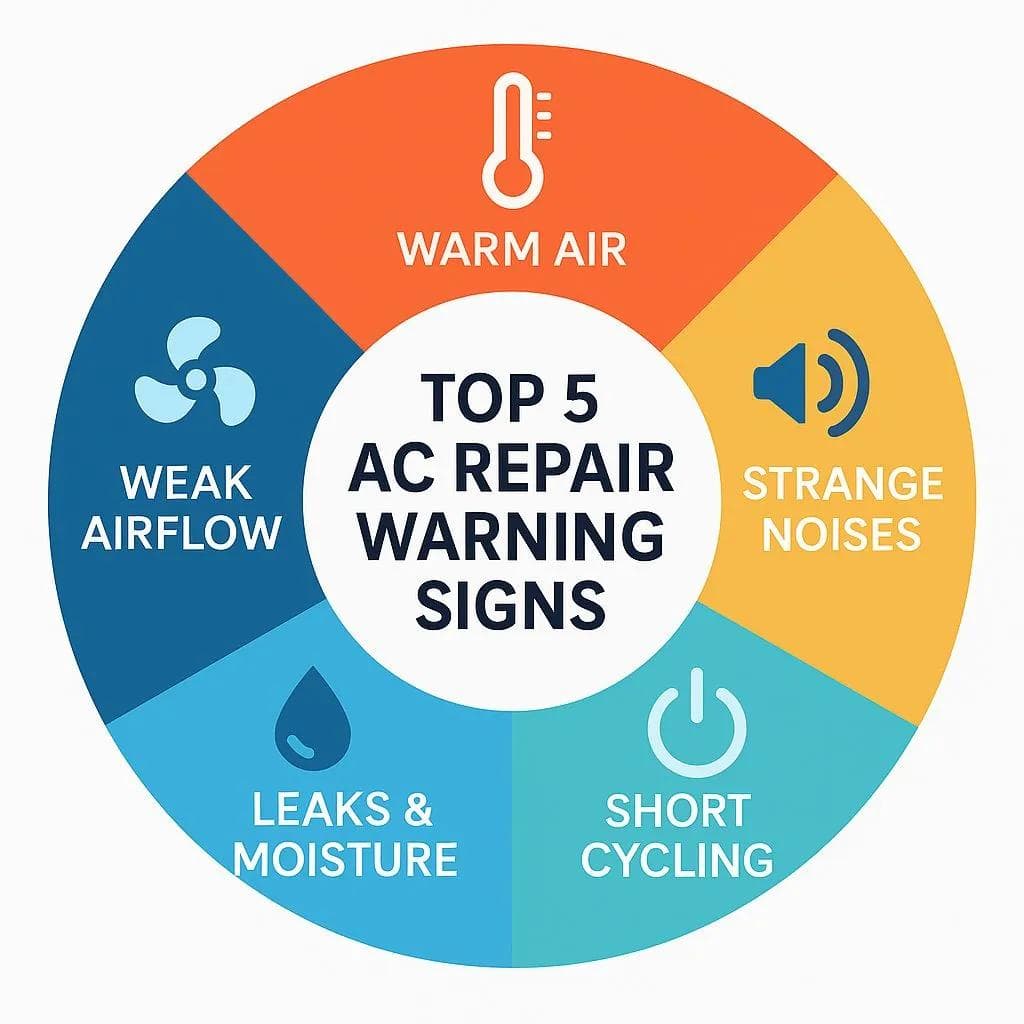
Top 5 signs your AC needs repair—catch issues early and stay cool.
Sign #1: Warm air blowing from AC vents
- You’ve got the AC running, but the air coming out feels more like a hair dryer than a cool breeze?
- This typically indicates an issue — possibly low refrigerant levels or even a failing compressor.
- Whatever the cause, warm air is your AC’s way of saying, “I need help!”
- Don’t brush it off — the longer you wait, the worse (and more expensive) it can get.
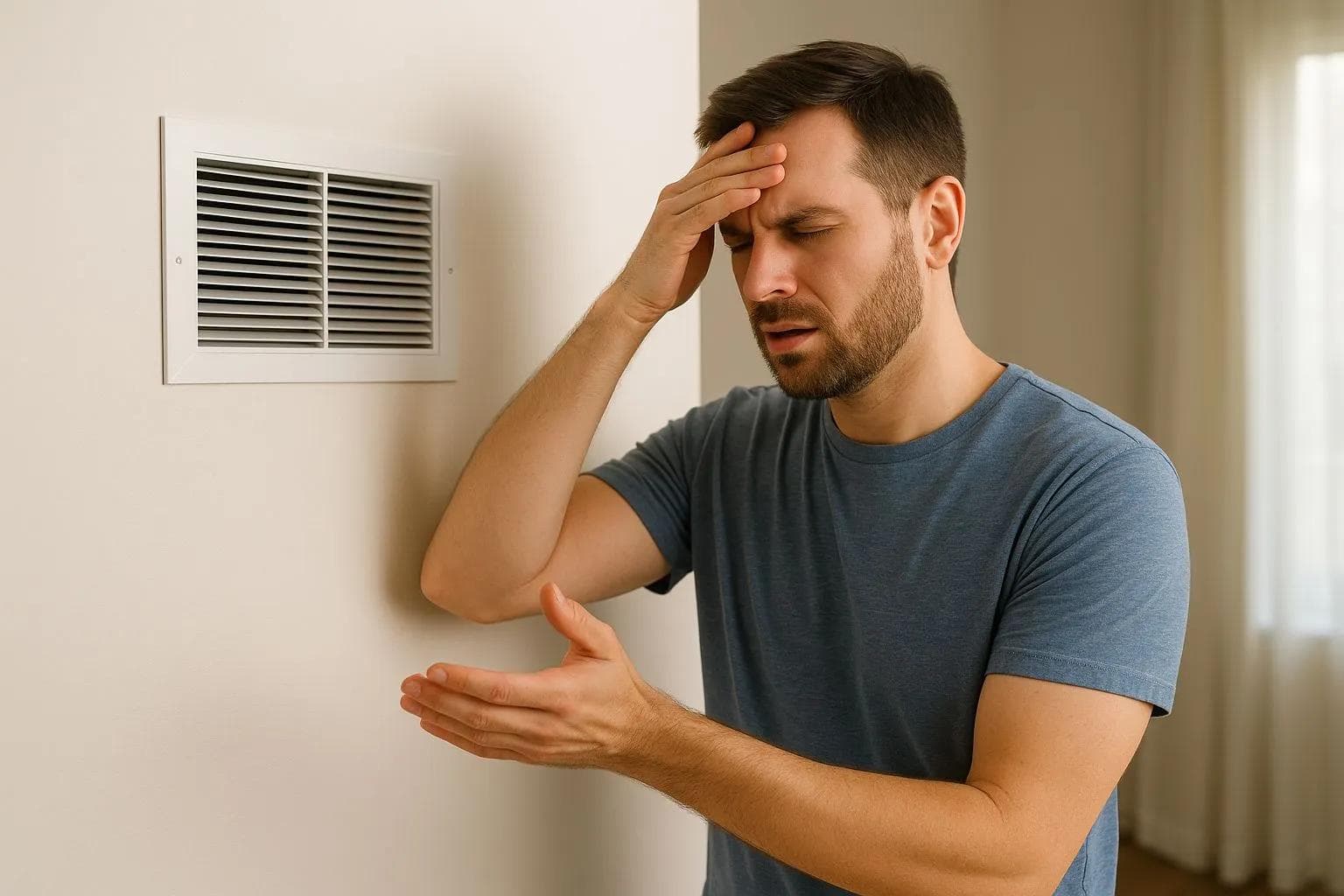
A man notices warm air blowing from the AC vent—an early sign of system trouble.
Sign #2: Weak or Inconsistent Airflow
- Notice your AC isn’t blowing air as strong as before, or the airflow feels spotty?
- This usually happens because of clogged filters, problems in the ducts, or issues with the fan motor.
- When your AC has weak airflow, your home won’t feel as cool or comfortable. It forces the system to run longer and harder, leading to increased energy costs and added strain on your AC
Sign #3: Strange Noises and Musty Smells
- Hearing grinding, squealing, or rattling sounds when your AC is running? That’s usually a sign of mechanical problems that need fixing.
- If you catch a musty or burning smell, it could mean mold growth or even an electrical issue — both things you don’t want to ignore.
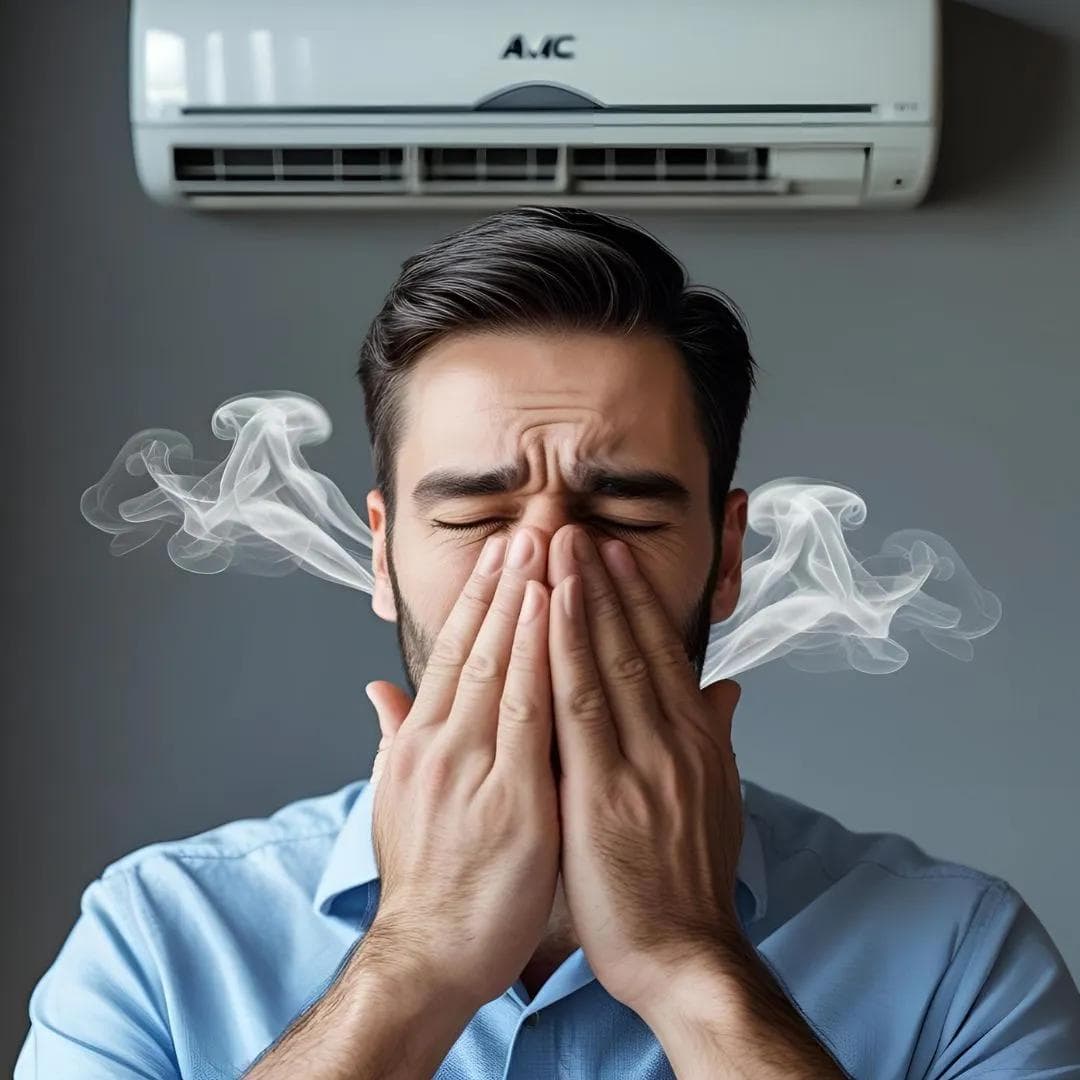
Clogging Your Nose from a Musty AC Smell? It Might Be Mold—Schedule Your HVAC Checkup Now!
Sign #4: Short Cycling or Struggling on Hot Days
- Does your AC cycle on and off frequently?That’s called short cycling, and it wears out your system faster than normal.
- If your AC struggles to keep your home cool on really hot days, it could mean your system is losing its strength and might be close to failing.
Sign #5: Leaks, Moisture, or High Humidity
- Noticing moisture or water pooling around your AC? That could be a sign of blocked drain lines or even refrigerant leaks.
- If your home feels unusually humid, it means your AC isn’t properly regulating the air’s moisture like it should.
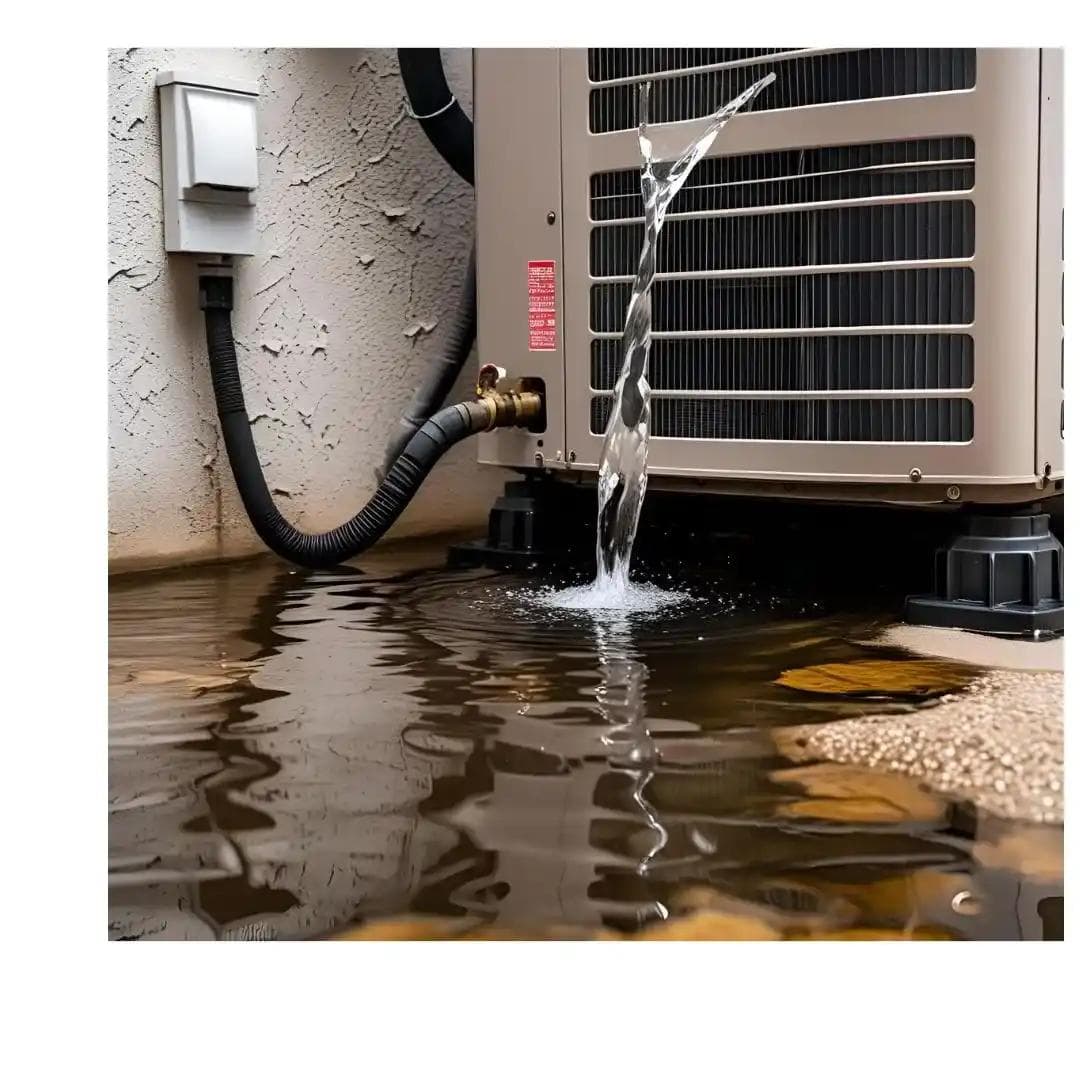
Water pooling under AC unit
Repair or Replace?Helping You Choose Whether to Repair or Replace Your AC
Trying to figure out whether to fix your AC or just get a new one? Consider the following important factors:
Age: If your AC has been operating for more than 10 to 15 years, it could be nearing the end of its lifespan and may need replacing.
Cost: Do you find yourself needing repairs more frequently?
Efficiency: Is your energy bill creeping higher even when you’re not using the AC more?:That could mean your AC is overworking to keep up with demand.
As a general rule, if the repair cost exceeds half the price of a new AC unit, it's typically more cost-effective to replace it. According to the U.S. Department of Energy’s guide on air conditioning, replacing an older unit may be more cost-effective if repairs are frequent or expensive.
How to Avoid Emergency Repairs: AC Maintenance Tips
Instead of listing tasks, think of these as easy ways to protect your comfort and keep your AC running smoothly.
- Change your air filters regularly: It helps your AC breathe better and keeps the cool air flowing throughout your home..
- Keep the outdoor unit clean Remove leaves, dust, or anything blocking it so your AC doesn’t have to work too hard.
- Make sure indoor vents are clear Don’t block vents with furniture or curtains—good airflow means better cooling.
- Treat AC maintenance like an oil change It’s quick, affordable, and helps your system last longer and work better
Regular filter changes and tune-ups keep your AC strong. For lasting savings, pick an ENERGY STAR® certified unit for efficiency and lower bills..
Don’t DIY: Why Choosing a Cerified HVAC Pro Makes a Big Difference
When your AC or heating system isn’t working right, it might be tempting to fix it yourself—but HVAC systems are more complex than they seem. Not all repairs are safe or simple to handle without proper training.
Calling a certified technician makes a big difference because:
- They know how to find the real problem With the right tools and experience, they can quickly figure out what’s wrong and fix it the right way.
- They handle refrigerants safelyRefrigerators can be dangerous if not managed properly, and licensed pros are trained to deal with them safely and legally.
- They offer long-lasting solutions A quick DIY fix might only work for a while. Professionals make repairs that are built to last and keep your system running strong.
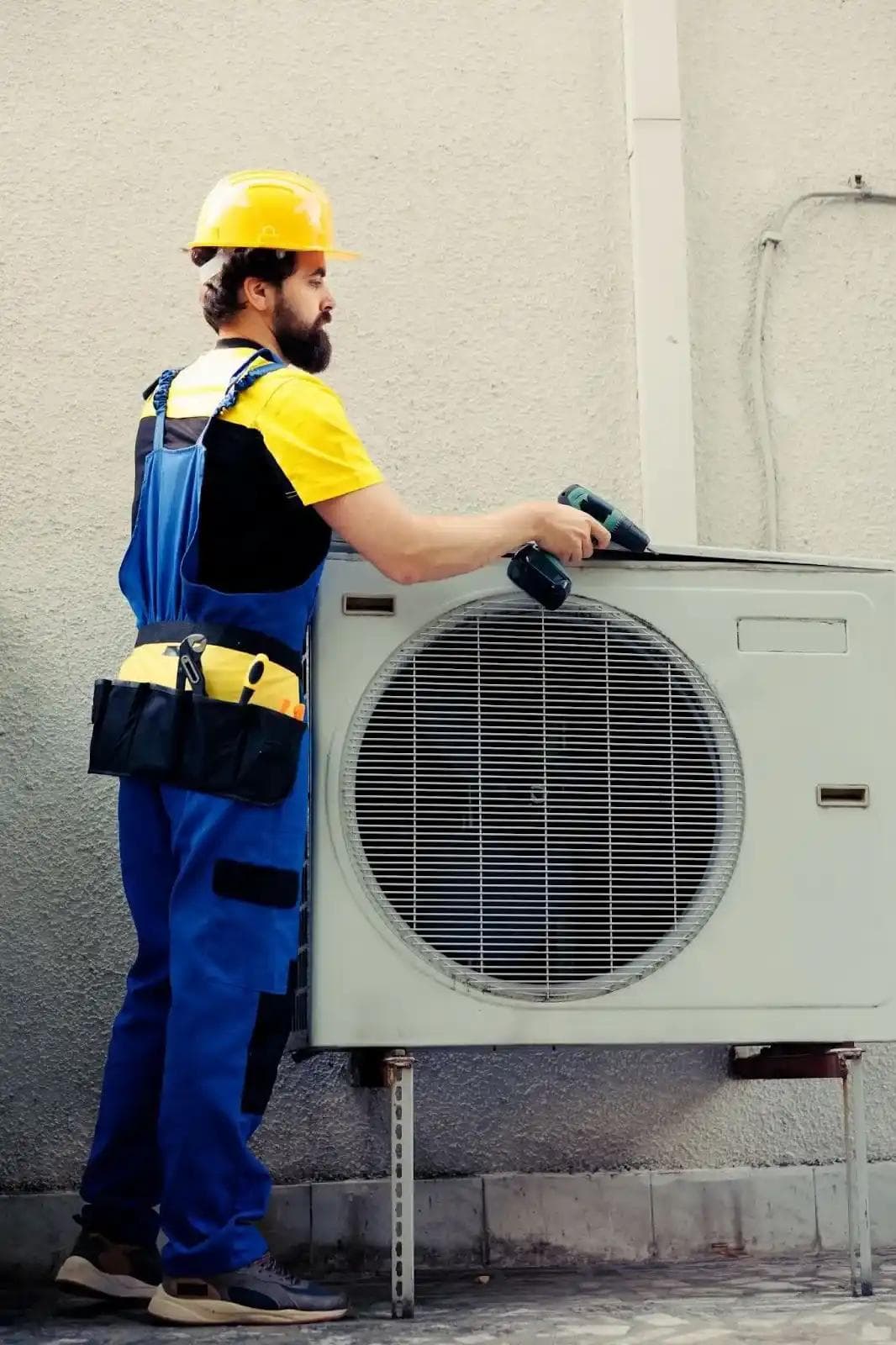
Certified HVAC pros deliver safe, lasting repairs—don’t risk DIY fixes.
Frequently Asked Questions (FAQ)
1. How do I know when my AC needs to be repaired?
Some typical signs your air conditioner may need servicing include blowing warm air, reduced airflow, unusual sounds or odors, turning on and off too often, visible leaks, or increased indoor humidity.
2. Why is my AC blowing warm air instead of cold?
Warm air usually means there’s an issue with the compressor or low refrigerant levels. It’s one of the clearest signs your AC needs repair. Call a professional to inspect and resolve the issue quickly.
3. Is it normal for my AC to make noise?
Some noise is normal, like a low humming. But if you hear grinding, rattling, or squealing, it could indicate a mechanical problem.
4. Can I fix my AC myself if I notice a problem?
DIY repairs can be risky and might cause more damage. HVAC systems are complex, and handling refrigerants or electrical parts without proper training is dangerous. Always call a certified technician.
5. Should I repair or replace my AC?
Sometimes repair makes sense, but in cases of frequent breakdowns, a new AC installation
may be more cost-effective.”
6. How do I prevent my AC from breaking down?
Prevent breakdowns with simple maintenance like changing air filters, keeping vents clear, cleaning the outdoor unit, and scheduling yearly professional checkups. These habits extend your AC’s life and performance.
Final Thoughts: Don’t Wait Until It Breaks — Schedule a Checkup Today
If your AC isn’t cooling like it used to, making strange noises, or just feels off—don’t ignore it.Waiting too long to fix small AC problems can lead to bigger, more expensive repairs later on.
Taking care of things early means:
- Fewer surprises on hot days
- Lower repair costs ac
- A longer-lasting AC system
It’s always better to be safe than sweaty!
Call DGL Heating and Air Conditioning today. Our team has 7+ years of trusted HVAC service experience .
Or, book your checkup online today—so you can stay cool and worry-free all season.